THE DATE OF REGISTRATION
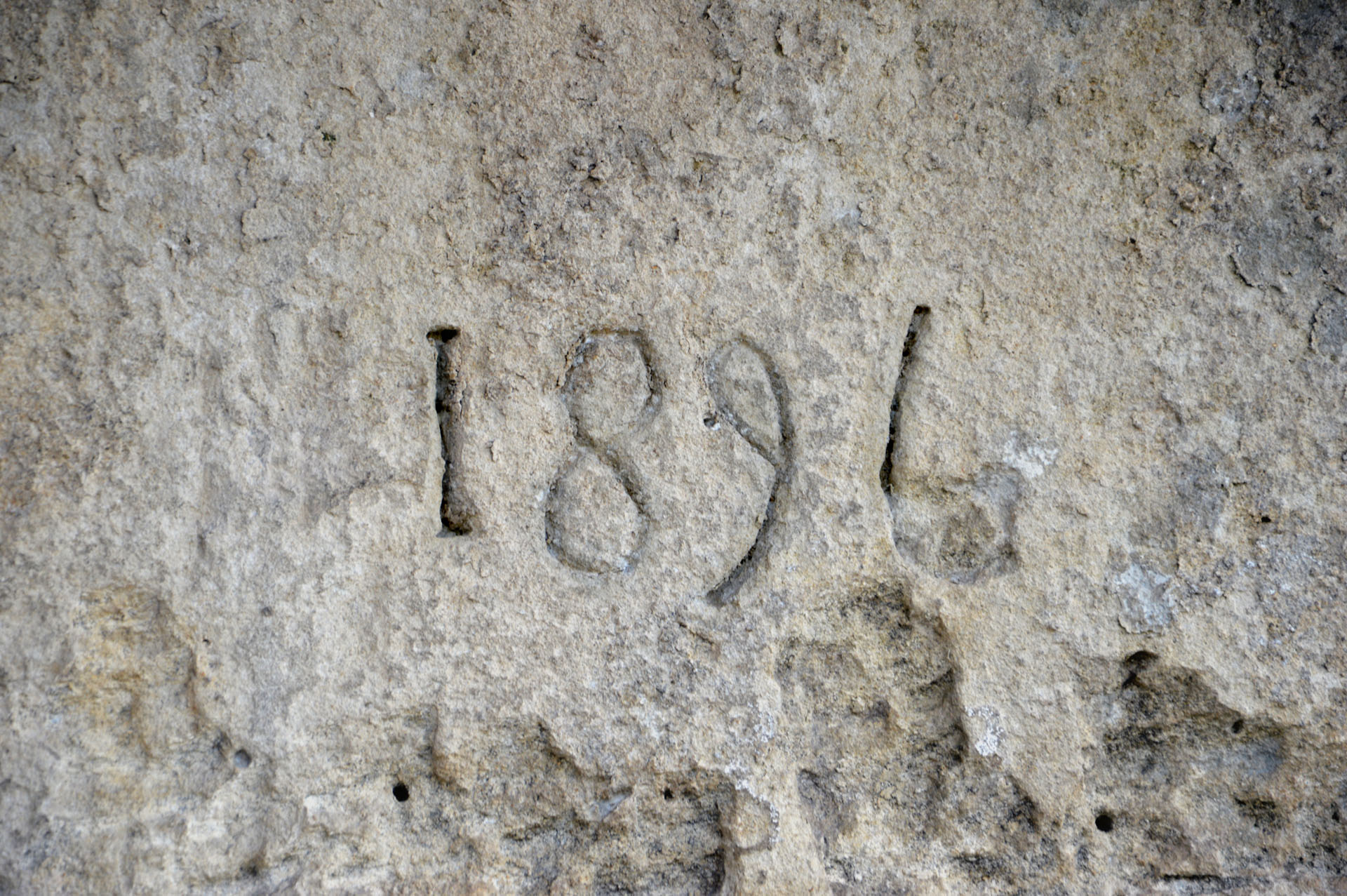
Within the area of the so-called eighteenth-century quarries of Matera it is possible to identify several dating inscriptions. Mostly to be traced back to the later phases, in which, when the mining activity was decreasing, some areas were converted for residential purposes. And in fact most of the inscriptions are placed at the entrance of the hypogea and can be traced back to the last twenty years of 1800.
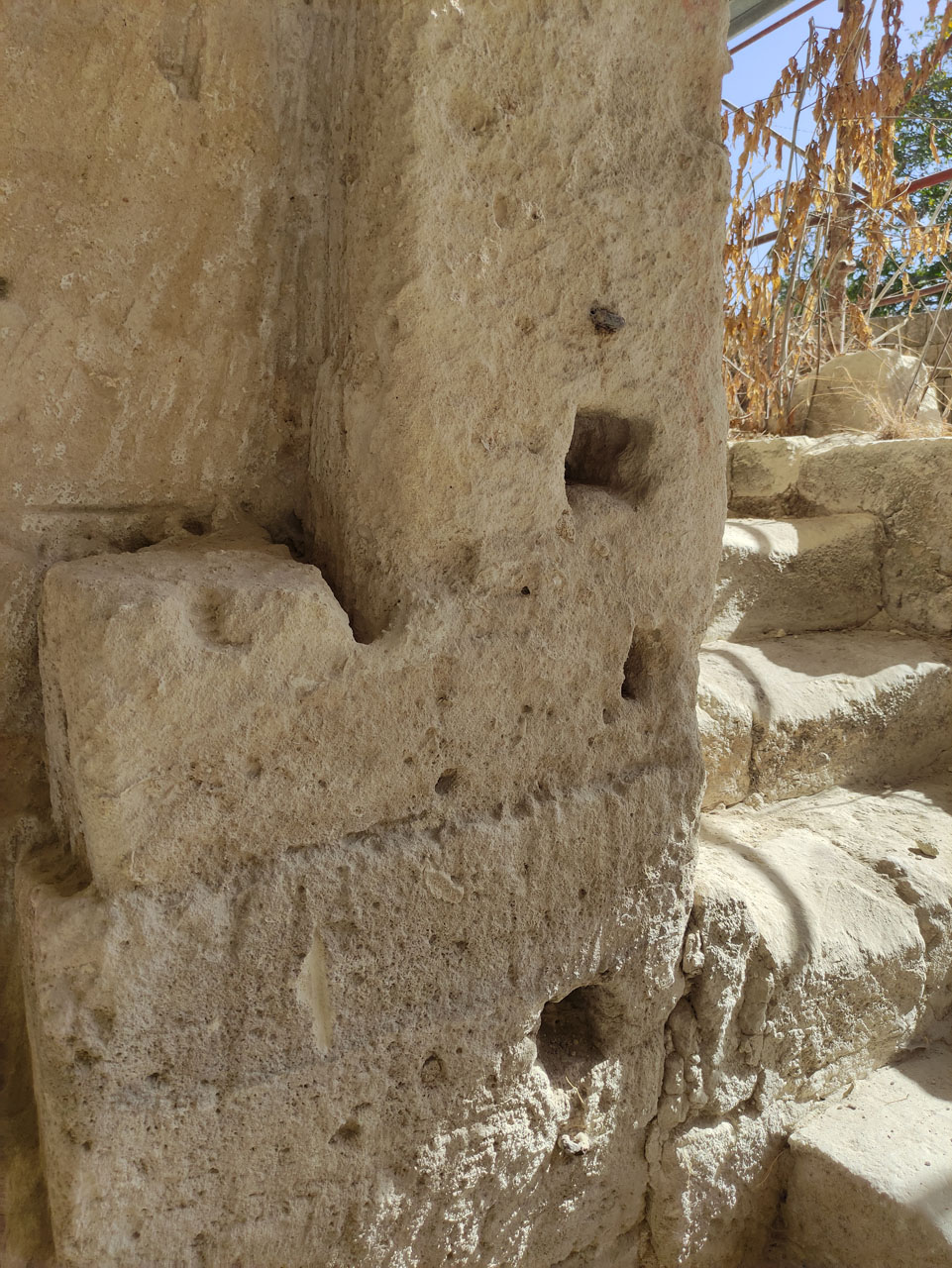
However the oldest inscription, placed in a shallow residual from the quarry and apparently protected by a structure of a canopy, as indicated by a regular series of square recesses above the niche that houses it, takes place even before the exploitation of this area. You can read the date “1660”. Unfortunately, the lower part of the wall is in conditions of strong disintegration and it is not possible to understand if there should be an epigraph below.
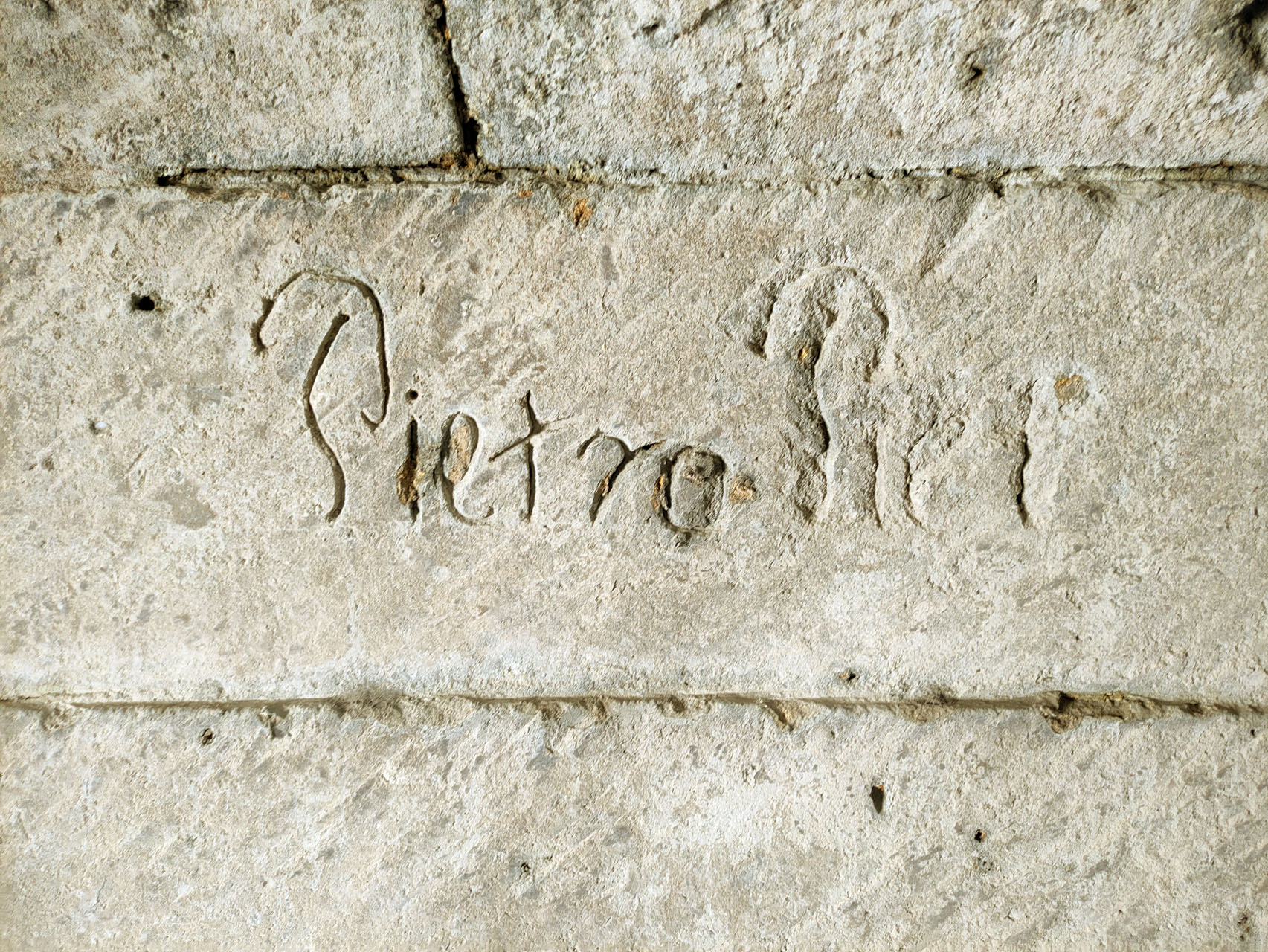
THE HYPOGEUM OF “Pietro Pier”
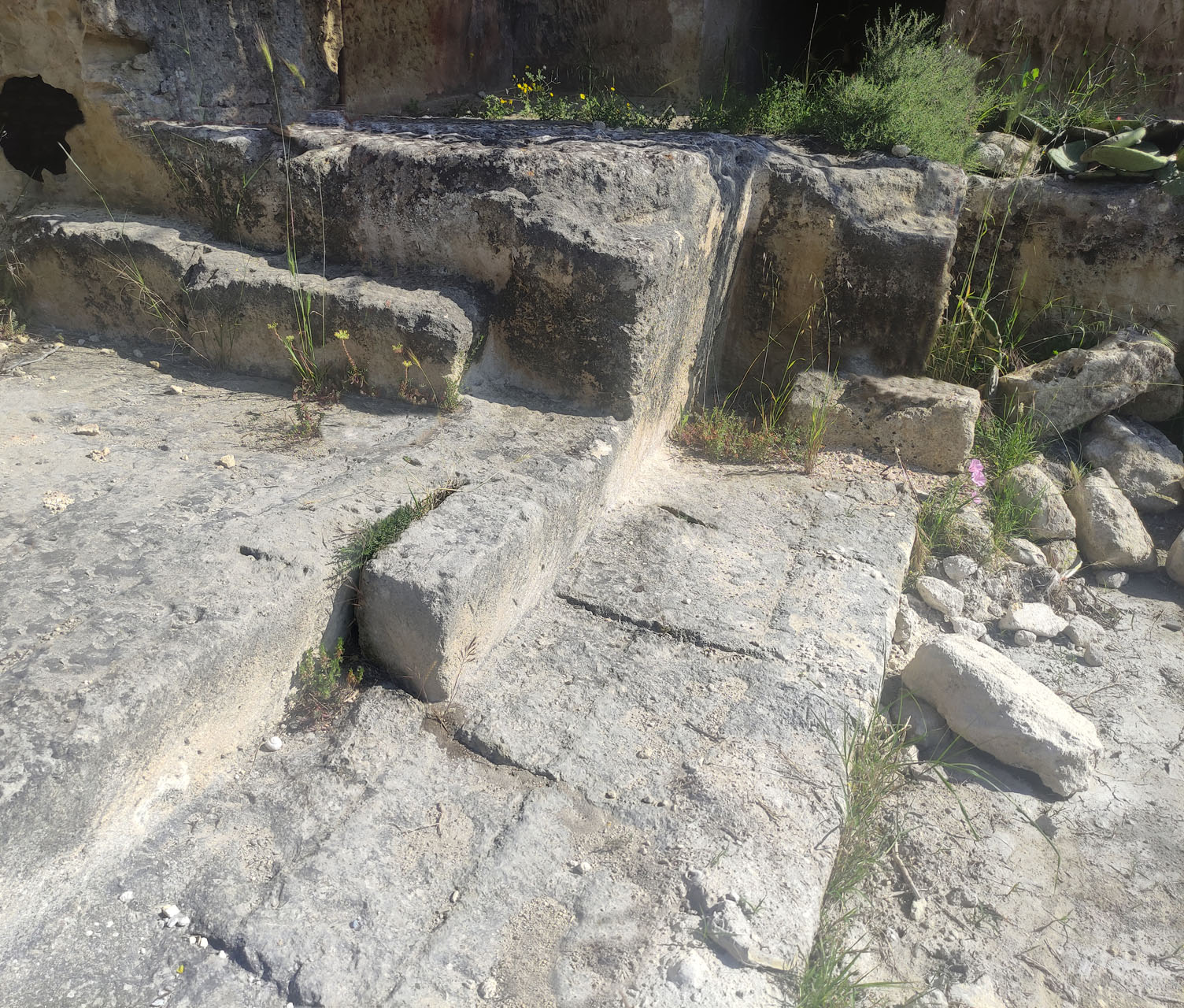
Near the central area of the eighteenth-century quarries is a small hypogeum with vault in blocks, realized according to a recurring typology in the area of the quarries of Matera where the calcarenitic bench was quarried realizing quadrangular rooms in gradual depression in the murgiano plan for the extraction of successive layers of blocks with the bell excavation technique.
Once the area had been emptied and at the same time the staircase had been built to allow the workers and the blocks to leave, the underground room was equipped with a vaulted roof in blocks found by the quarry itself.
This small hypogeum is characterized by a continuous annular bed on the two long sides and on the back wall, as well as by a barely mentioned niche, with the probable function of a fireplace. Next to this is an inscription that seems to be an educational form as it twice bears the name “Peter”, the first in beautiful and clearly engraved, the second incomplete and made with less skill.
THE WORKINGS: THE CUTTING FOR THE QUARRYING AND THE REGULARIZATION OF THE WALLS
The area is characterized by walls cut into rows of homogeneous height about 26-28 cm that have a position gradually more set back as the extraction descends, In fact, the extraction technique required the preparation of an angled notch to allow the release of the first block of each layer. This process determines a progressive overhang of the residual fronts with the creation of the typical fascinating landscape of the historic quarries.
In many areas it is possible to identify portions of the bottom of the quarry with the execution of the incision preparatory to the separation of the blocks without these have still been separated from the bottom with the execution of the horizontal cut
The rooms that have been transformed for residential use sometimes have a surface reworked to rectify the walls, with the use of special “axes” with blade “hoe” or “pen tip” of which are visible signs of frontal and tangential impact on the surface of the calcarenite
THE ANTHROPIC USE
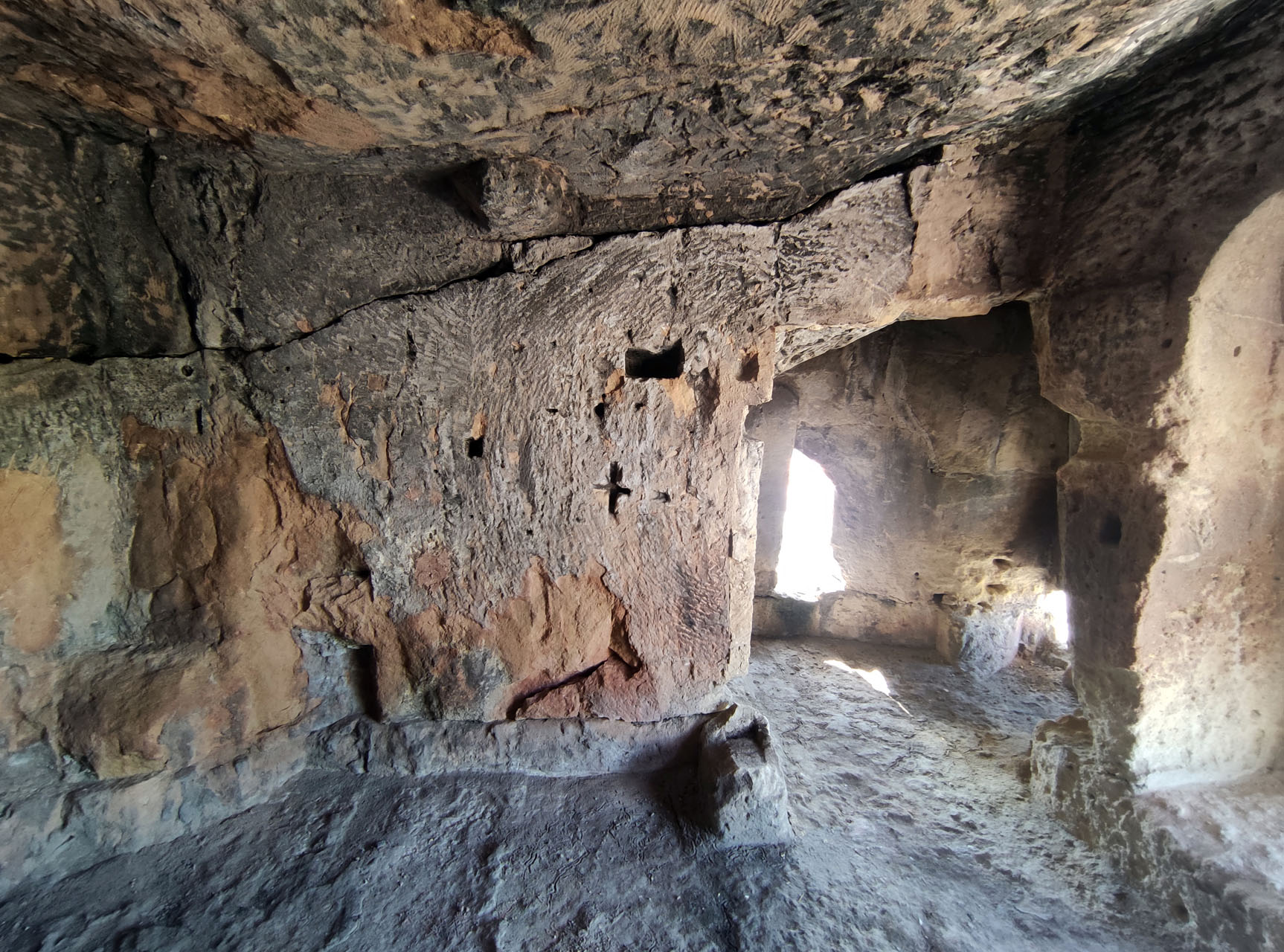
In the residential reuse of the rooms, mainly occurred at the end of the nineteenth century, we note the creation of chambers, niches and apotropaic elements.
Inside the central hypogeum it is possible to identify, in addition to several niches in function of containment, some small housings probably for lamps and a rather deep cross-shaped incision probably with the purpose of blessing the house.
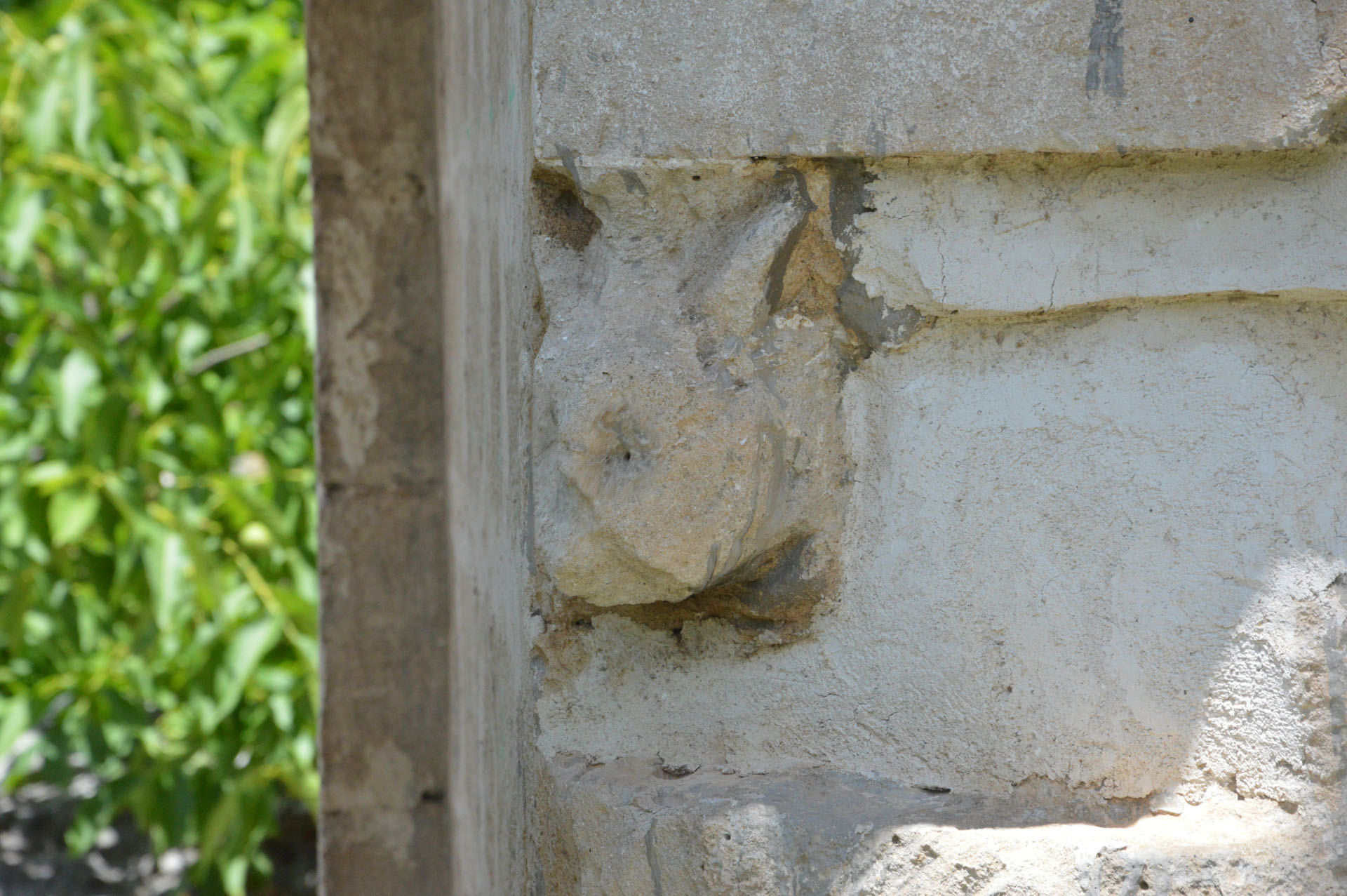
In correspondence of one of the shelves of the greater arch of the tower is present, always with an apotropaic function as well as an aesthetic zoomorphic shelf, even if the disintegration of the stone material does not allow to identify uniquely the original shape.
Inside the large cable to the west of the rock altar there are at least three shares of attendance that have alternated probably within a few decades.
The lower residual share of mining activities, now highlighted thanks to the works financed by the ERDF, has a bottom made of several layers of tuff and crushed ash, probably to sanitize the environment. The room is equipped with a niche that houses a fireplace and a door.
Probably the room was subject to flooding or however to important rise of humidity, in fact at the start of the work it was filled with residual blocks of extraction up to the quota of the external campaign plan and, at this new altitude, there is a second hearth, always flanked by a niche, of the same type of the previous one.
At an altitude of a few centimeters higher corresponds, on the bottom of the room, the trace of a fireplace now missing and identifiable only by the footprint on the back wall.
THE ALTAR OF SANT’ANTUONO DELLI APPISI
The rock altar of Sant’Antuono delli Appisi is entirely made by quarrying, although it has several interventions and alterations.
The three molded scarselle (now blind and devoid of ornament) have three sizes and three different processing modes, the minor lateral and the central major, the central and the left scarsella probably had to accommodate wall paintings, while the right presents a perimeter recess as if it were to house a frame of a work on canvas. The walls and ceiling are punctuated by a red dye line and host three discs with a stylized central flower. It is possible to identify a few surviving traces of yellow for the disc and blue for the flower, such as the halo that wraps around the blue flower of the virgin, allowing you to reconnect the altar to the Marian devotion that characterizes several sites of the ravine.
The pavement of the altar is made of bricks and the plinth on the ground is marked by a protective tarpaulin, both are now lacking.
The altar is connected, on the right side a large cave cable with a large bench, whose function appears to welcome and refreshment for visitors and workers of the cave area.